

A house is the most significant financial investment most Australians will make in their lifetime, and consistent roof maintenance is one of the simplest ways to protect it. To safeguard that investment, the structure requires an uncompromising line of defence against the elements. Your roof serves as that primary shield, working around the clock to protect your family, your belongings, and the structural integrity of your building envelope.
However, in a dynamic climate like Sydney’s, a roof is constantly subjected to severe weather conditions. From the blistering summer heat waves and high UV exposure in Western Sydney suburbs like Penrith to the aggressive, salt-laden winds of the Northern Beaches and sudden, violent seasonal hailstorms, your property’s crown takes a relentless beating.
Without proactive care, minor surface vulnerabilities can quickly escalate into catastrophic structural issues. That’s why regular roof maintenance in Sydney is not merely an aesthetic choice; it is a critical financial strategy that prevents costly internal leaks, preserves property equity, and extends the operational lifespan of your roofing asset by decades.
Why Localised Roof Maintenance in Sydney is Crucial
Many homeowners fall into a dangerous “out of sight, out of mind” mentality with their roofing system, only taking action once water starts dripping through the living room ceiling. By that stage, a minor issue has already mutated into a high-cost structural emergency involving timber rot, ruined insulation, and mould outbreaks.
For Sydney residents, the geographic position of the property dictates the specific environmental challenges the building will face.
1. The Coastal Salinity Factor (Eastern Suburbs & Northern Beaches)
Properties located within a few kilometres of the coastline face constant exposure to airborne salt and high humidity. This aggressive marine environment accelerates the corrosion of standard metal cladding and fast-tracks the degradation of fixings. Over time, salt accumulation can also cause concrete tiles to undergo spalling (surface flaking and crumbling). Regular washdowns and inspections are key to keeping these materials stable.
2. Intense Thermal Cycles (Western Sydney & The Hills District)
Inland regions like Parramatta, Blacktown, and Castle Hill experience extreme temperature fluctuations. On a typical summer day, roof surface temperatures can easily exceed 60°C, causing metal panels to expand significantly. As the temperature plummets during an evening southerly buster, the metal rapidly contracts. This ongoing thermal cycle places immense stress on structural fasteners and flashings, eventually causing screws to back out or silicone seals to split.
3. Leaf Litter and Corrosive Acids (North Shore & Sutherland Shire)
Suburbs bordered by established eucalyptus canopies, such as Ku-ring-gai or the Sutherland Shire, face ongoing challenges with heavy leaf litter. Decomposing organic matter traps moisture against the roof surface and releases highly corrosive organic acids that eat through gutter liners and metal valley irons.

Practical Roof Maintenance Tips You Can Execute Safely
While complex structural work must always be left to certified trade professionals, there are several preventative strategies property owners can monitor to keep their defensive shield in top condition.
Regular Gutter and Valley Clearing
Your property’s drainage layout must be kept completely clear to handle the sudden, intense downpours common to New South Wales. Plan to clean out your eaves gutters, internal box valleys, and downpipes at least twice a year, ideally before the summer storm season arrives. When debris blocks these pathways, water backs up and forces its way backward under tiles or metal sheets, overflowing straight into your internal ceiling grid.
Visual Ground-Level Inspections
You do not need to scale a tall ladder to spot early warning signs. Periodically walk around the perimeter of your house with a pair of binoculars. Look for visibly sagging rooflines, missing or shifted tiles, out-of-alignment gutters, rust stains running down downpipes, or broken mortar fragments lying on the grass below. Spotting these anomalies early allows you to book targeted roof maintenance in Sydney before a major storm front exploits the vulnerability.
Manage Nearby Tree Canopies
Keep overhanging tree branches pruned back at least two to three metres away from your roofline. This simple step drastically reduces the volume of leaf litter dropping onto your cladding, prevents low-hanging branches from physically scratching or gouging protective metal coatings during high winds, and blocks wildlife from accessing your roof space to damage solar wiring.
The Value of Partnering with Professional Roof Maintenance Contractors
While DIY cleanouts are helpful, a visual check from the ground cannot replace the depth of a hands-on technical audit. Engaging certified roof maintenance contractors ensures your asset receives a forensic review using specialised safety equipment and trade experience.
A comprehensive professional assessment covers several critical zones that are invisible from ground level:
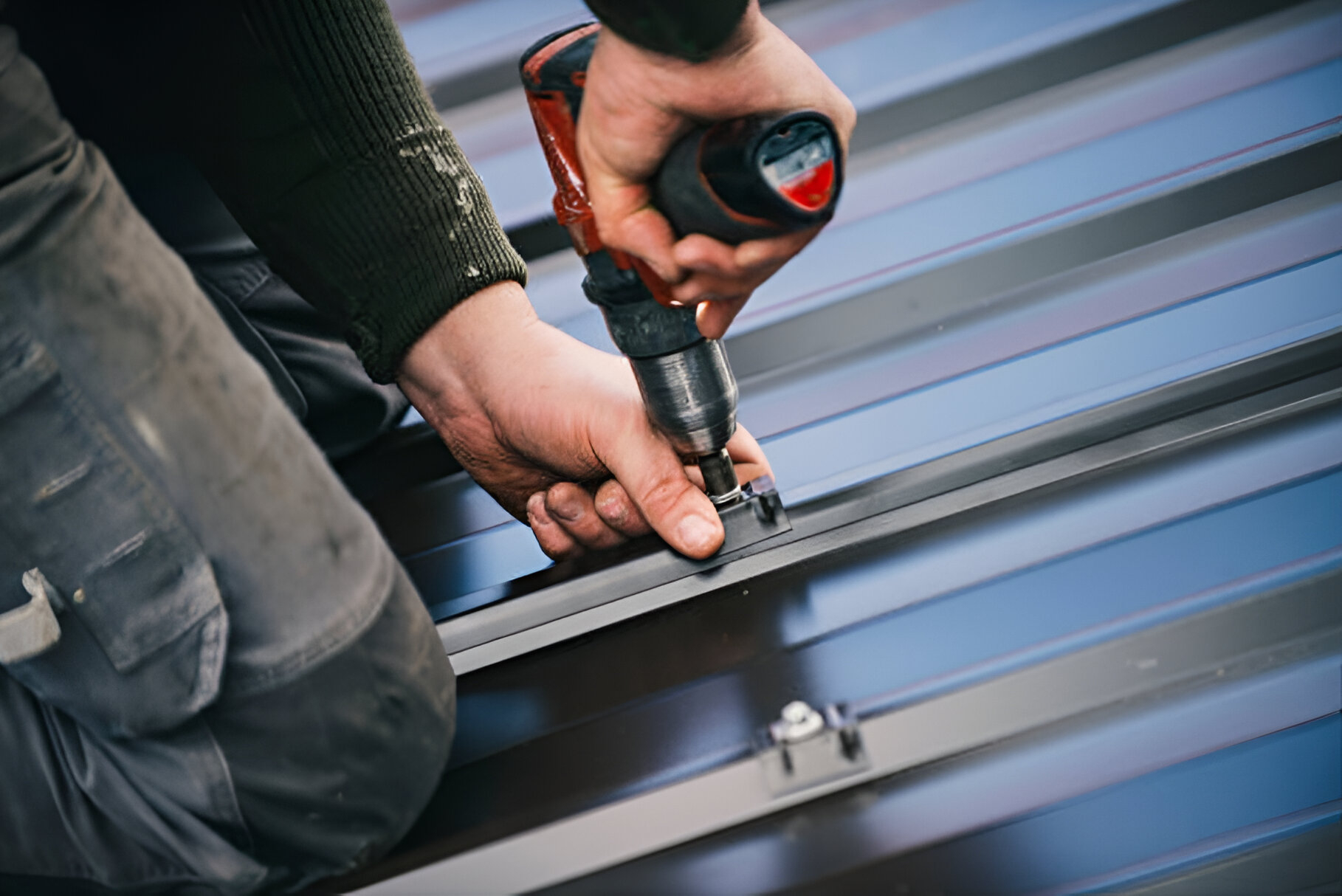
- Fastener and Screw Integrity: For metal structures, technicians inspect the condition of the UV-stabilised EPDM rubber washers. These washers dry out, crack, and perish after a decade of sun exposure, creating a direct entry path for water down the screw thread.
- Bedding and Pointing Review: For tiled structures, professionals check the status of the mortar beds locking the ridge capping tiles in place. Crumbling, cracked mortar allows high winds to dislodge heavy tiles and permits rain to breach the ridge lines during a storm.
- Flashing and Penetration Audits: The vast majority of roof leaks originate at junctions where the roof plane meets a brick chimney, a modern skylight, or a plumbing vent pipe. Contractors verify if these custom-folded metal strips are properly seated, free of split seals, and unaffected by galvanic corrosion.
Breaking the Cycle of Costly Emergency Repairs
Many property owners hesitate to budget for ongoing roof upkeep because they see it as an unnecessary expense. However, this is a major financial oversight. The cost of booking annual preventative roof maintenance services is a tiny fraction of the expenditure required to rectify a major structural failure.
If a roof is left unattended for decades, the degradation eventually reaches a tipping point where simple repairs are no longer possible. Widespread timber frame rot, systemic rust pitting, or completely porous tiles mean you will be forced into a full structural teardown. A complete residential replacement can easily cost anywhere from $15,000 to over $40,000 depending on the scale and materials. Consistent care completely breaks this high-cost cycle, keeping your current roof fully operational for its entire intended lifespan.
Choosing the Right Roof Maintenance Company
Working on, treating, or walking across a residential roof space requires specific trade skills and compliance with strict safety codes. To protect your property asset and shield yourself from legal liability, you should exclusively partner with a qualified roof maintenance company that checks all the right boxes:
Fully Licensed and Protected
Always verify that your chosen contractor holds valid trade licensing with NSW Fair Trading. Furthermore, ensure they carry comprehensive public liability insurance, product liability cover, and full workers’ compensation insurance. Never allow uncertified handymen or uninsured workers onto your roof frame.
Material Quality Commitments
Premium contractors refuse to use cheap, imported imitation steels or low-grade silicones that break down rapidly under the intense Australian sun. Look for companies that source authentic, locally tested products from trusted manufacturers like BlueScope Steel, ensuring your roof receives genuine components engineered for our harsh climate.
Fixed-Price Estimating
A reputable trade business believes in complete transparency. They will provide highly itemised, clear quotes that break down all material masses, height safety setups, and labour parameters. The price quoted should be the price you pay, free from hidden variations or sudden surprise fees halfway through the project.