
Buying a home is one of the most significant financial commitments you will ever make. In a highly competitive property market like Sydney, from the character-filled Victorian terraces of the Inner West to the sprawling family estates in the Hills District, it is easy to get swept up in beautiful interior styling, fresh coats of paint, and manicured gardens. However, many prospective buyers overlook the most critical structural line of defence protecting their potential investment: the roof.
This is exactly where professional roof inspection services prove their worth. An ageing, poorly maintained, or structurally compromised roof can quickly turn your dream home into a financial nightmare, with minor issues hidden from ground level escalating into tens of thousands of dollars in structural timber rot, electrical hazards, and internal mould. Booking a thorough roof assessment before you exchange contracts is the smartest way to safeguard your financial future. This guide breaks down what a specialist evaluation involves, the red flags to watch for, and why a standard pre-purchase building report rarely covers the roof properly.
Why Standard Building Reports Fail Your Roof
A common trap for property buyers across New South Wales is relying solely on a general pre-purchase building and pest inspection. While these reports are excellent for identifying structural foundation cracks or active termite infestations, general building inspectors are rarely qualified roofing specialists.
Due to strict Work Health and Safety (WHS) regulations and insurance limitations, a general building inspector will typically perform a visual assessment of the roof from the top of a ladder or even through a pair of binoculars from ground level. They will not walk the surface, check the internal flashing valleys, or perform a hands-on roof condition assessment.
By contrast, dedicated roof inspection services provide a forensic analysis of the entire system. Qualified roofing professionals possess the specialised height safety equipment, licensing, and trade knowledge required to walk the roof plane safely, trace obscure leak paths, and accurately calculate the remaining operational lifespan of the cladding materials.
Key Areas Analysed During a Professional Roof Inspection
When you engage an expert team to evaluate a property, they will meticulously review several core zones. Here is a breakdown of what a comprehensive residential roof inspection covers:
1. External Cladding Integrity
The material covering the property faces the absolute brunt of Sydney’s unpredictable weather patterns, including scorching summer heatwaves and sudden, violent hailstorms. The inspection framework shifts based on the material type:
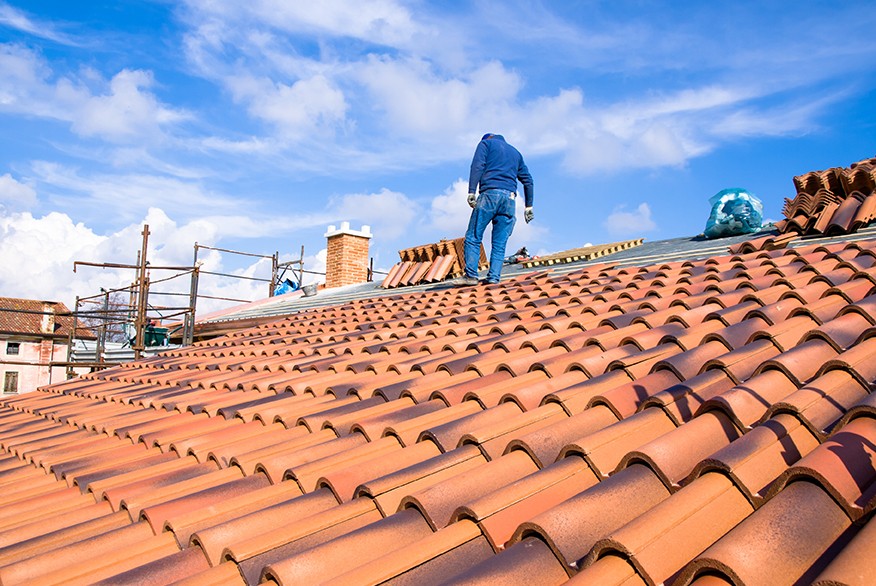
- Tiled Roofs (Concrete or Clay): Inspectors look closely for cracked, chipped, or completely displaced tiles. They check the bedding and pointing, the mortar that locks the ridge capping tiles in position. Over time, this mortar cracks and crumbles, which can allow water to breach the ridge lines during a storm.
- Metal Roofs (Colorbond or Corrugated Iron): The specialist checks for signs of surface corrosion, rust blistering on the underside of the sheets, oil-canning (surface waving), and backed-out roofing screws. They pay close attention to the condition of the UV-stabilised EPDM rubber washers, which dry out and crack over time.
2. Valleys, Flashings, and Penetrations
The vast majority of internal roof leaks do not occur in the middle of a continuous metal sheet or a uniform field of tiles. Instead, they originate at the junctions, valleys, and penetrations. Flashings are custom-folded metal strips designed to divert water away from these vulnerable transition zones, such as where the roof meets a brick chimney, a modern skylight, or a plumbing vent pipe.
A specialist roof condition assessment checks if these flashings are properly seated, free of split silicone seals, and unaffected by galvanic corrosion. Galvanic corrosion occurs when incompatible metals (like copper and zinc-coated steel) are placed in direct contact, causing the less noble metal to degrade rapidly.
3. Guttering and Stormwater Drainage Systems
Sydney is prone to sudden, heavy downpours that drop immense volumes of water in a short window. A property’s guttering system must be engineered to clear this water efficiently. Inspectors review eaves gutters, internal box gutters, downpipes, and rainheads.
They look for signs of sagging, improper sloping that causes water to pool, and hidden rust channels. If a property features internal box gutters (common in low-pitch modern roof designs and commercial buildings), any blockages or under-engineering can cause water to back up and overflow directly into the internal ceiling grid.
4. The Internal Roof Cavity
A thorough inspection is never complete without crawling inside the roof space. The internal roof cavity holds the physical evidence of past and present performance issues. Inspectors look for water stains along the timber rafters, damp or compacted insulation blankets, structural sagging in the roof battens, and any signs of daylight showing through the cladding. This step often uncovers historical leaks that a vendor may have tried to cover up with a fresh layer of plasterboard paint in the living rooms below.

Local Environmental Challenges Unique to Sydney Properties
When investing in local real estate, you must factor in the specific geographic macroclimate of the suburb. Different regions across the Greater Sydney basin present unique challenges to a roof structure:
Coastal Salinity (Northern Beaches and Eastern Suburbs)
Properties located within a few kilometres of the coastline are constantly subjected to moisture-laden salt air. This aggressive environment accelerates rust on standard metal claddings and causes concrete tiles to undergo salt attack and spalling (surface flaking). Expert roof inspection services will verify if the roof features coastal-grade materials, such as Colorbond Ultra or pure copper, which are engineered to resist salt air degradation.
Intense Heat and Thermal Movement (Western Sydney and the Hills District)
Suburbs like Parramatta, Penrith, and Castle Hill experience extreme temperature fluctuations, with summer days frequently climbing past 40 degrees. This intense heat causes metal panels to expand significantly during the day and contract rapidly as the temperature drops at night. This continuous thermal cycle places immense stress on fasteners and flashings, often causing screws to break or back out over time.
Heavy Leaf Litter and Bushfire Risks (Sutherland Shire and Upper North Shore)
Properties surrounded by established eucalyptus trees face ongoing gutter blockages from leaf debris. Decomposing leaves retain moisture, creating highly corrosive organic acids that eat through gutter liners. Furthermore, if a home is situated in a designated bushfire-prone zone, an uninspected roof cavity can allow windblown embers to enter through small gaps, posing a severe fire risk.
The True Value of a Pre-Purchase Roof Assessment
Skipping a specialised inspection before buying a home can cost you dearly. If you discover a failing roof after settlement, the financial burden falls entirely on you. The structural replacement of an average family roof can easily cost anywhere from $15,000 to over $40,000, depending on the scale, pitch, and materials used.
By securing a professional residential roof inspection before purchase, you protect yourself in two distinct ways:
- A Powerful Negotiation Tool: If the inspection report uncovers minor to moderate defects (such as crumbling ridge pointing or leaking valley flashings) that cost $5,000 to rectify, you can use the written quote to negotiate a direct price reduction on the property or request that the vendor fix the issues before settlement.
- Walking Away from a Money Pit: If the roof condition assessment reveals widespread structural wood rot, asbestos cladding that requires specialised hazardous removal, or complete material failure, you gain the clarity needed to walk away from the purchase before making a costly mistake.