
A metal roof is one of the most resilient, architecturally striking, and long-lasting roofing options you can choose for a property. Whether it is a heritage-listed corrugated iron home in the Inner West, a modern standing-seam waterfront estate on the Northern Beaches, or a commercial warehouse facility in Western Sydney, high-tensile metal cladding systems like Colorbond handle the elements incredibly well. However, no roofing asset is completely immune to wear, age, or structural degradation, and even the toughest systems can eventually need a metal roof leak repair.
When a structural breach occurs, a small drop of water can quickly transform into a high-cost property emergency. Sydney’s volatile weather patterns, marked by sudden summer hailstorms, intense UV thermal cycles, and heavy coastal downpours, will rapidly exploit any minor vulnerability in your roof space. Understanding the core mechanics behind failures, identifying issues early, and executing a professional metal roof leak repair are critical steps to safeguard your property investment and restore structural peace of mind.
The Core Causes of a Leaking Metal Roof in Sydney
To permanently fix a water breach, you must understand exactly why it occurred. Metal roofing structures leak for distinct engineering reasons, often linked directly to your local geographic microclimate.
1. Thermal Expansion and Screwhole Elongation
Sydney properties face extreme daily temperature swings. In regions like Parramatta, Penrith, and the Hills District, summer temperatures frequently soar past 40°C. When the sun beats down on a metal panel, the steel expands significantly. As the cool southerly buster hits the city in the evening, the metal contracts rapidly.
This continuous movement puts immense stress on roofing fasteners. Over a decade, this expansion and contraction cycle causes screwholes to slightly elongate. The UV-stabilised EPDM rubber washers beneath the screw heads dry out, crack, and perish, allowing water to channel directly down the screw thread into the ceiling cavity below.
2. Galvanic Corrosion (Incompatible Metals)
This structural issue occurs when two chemically incompatible metals are placed in direct physical contact or share a water run. For example, if an uncertified contractor uses zinc-coated fasteners on copper flashings, or if lead flashings drain directly onto an aluminium-zinc-coated steel sheet, an electrochemical reaction takes place. The less noble metal rapidly degrades, leading to hidden rust holes that eventually require extensive leaking metal roof repair workflows to correct.
3. Blocked and Under-Engineered Box Gutters
Many modern architectural homes and local commercial complexes feature internal box gutters. Sydney is prone to intense storm events that dump massive volumes of water within very short windows. If your property is surrounded by established eucalyptus trees common across the Upper North Shore and Sutherland Shire, leaf debris can easily accumulate in these channels.
When a downpour strikes, the debris blocks the flow. Because the gutters are internal, the water backs up, overflows past the flashing boundaries, and streams directly into the internal plasterboard ceiling grid.
4. Degraded Seam Sealants and Failing Flashings
The vast majority of structural water entries do not happen in the middle of a continuous metal sheet. Instead, they occur at transition junctions: around skylight reveals, brick chimney boundaries, solar panel brackets, and mechanical plumbing vents. These areas rely on custom-folded metal flashings and high-grade neutral-cure silicone sealants. Over time, intense UV exposure breaks down the bond of the silicone, causing it to split, peel away, and allow water to slip right past the barrier.
The Critical First Step: Metal Roof Leak Detection
You cannot fix a leak if you don’t know exactly where it starts. Water is highly opportunistic; it rarely travels in a straight line. It can enter through a failed ridge capping joint on the western side of a building, travel along a structural timber rafter, bypass insulation blankets, and finally drip through a light fixture on the eastern side of your living room.
This is why professional metal roof leak detection is an absolute necessity. Specialist roofing contractors do not rely on simple guesswork or basic visual tracking. Experienced teams use structured methodologies to pinpoint obscure water entry points:
- Internal Cavity Tracking: Technicians crawl inside the roof space during a dry period to map out historical water stains, salt efflorescence tracking along timber plates, and damp insulation blankets.
- Electronic Moisture Profiling: Handheld moisture meters allow contractors to measure the exact moisture content within internal timber rafters, tracking the damp profile back to its absolute highest source point.
- Targeted Hydrological Simulation Testing: In dry conditions, technicians methodically isolate and test individual roof zones such as valleys, penetrations, and laps using controlled, low-pressure water flows to replicate storm paths and confirm the exact failure point.
Professional Solutions for Metal Roof Leak Repair
When a vulnerability is confirmed, executing a permanent, trade-qualified solution is the only way to break the cycle of temporary patch-ups. Applying general hardware-store silicone over an active rust hole is a short-term band-aid that will inevitably fail during the next heavy storm.
Fastener Overhauls and Re-Screwing
If your leak issues stem from perished washers or elongated screwholes, a targeted fastener replacement is required. Our technicians systematically remove the failing, aged screws and clear the area. We then install heavy-duty, multi-grip build fasteners fitted with oversized, UV-stabilised EPDM seals. These are driven into the structural purlins at the correct torque setting to ensure an airtight, watertight seal across the entire panel field.
Custom Flashing Remediation
Failing, split, or improperly seated flashings must be cut away and completely rebuilt. We fold custom profile flashings on-site using genuine Colorbond steel to match the precise contours of your roof line. We replace degraded lead aprons with high-performance, non-reactive polymer flashings and secure all joints with specialised, premium neutral-cure roofing silicones that retain flexibility under intense thermal stress.
Structural Rust Mitigation and Sheet Replacement
If galvanic corrosion or prolonged leaf accumulation has caused deep pitting or holes in the steel sheet, the affected sections must be cut out. For localised rust, we treat the stable surrounding metal with anti-corrosive barriers. If the structural integrity of the sheet is compromised, we execute a precision sheet extraction, replacing the damaged section with a brand new, colour-matched steel panel that locks seamlessly into the existing profile.
Dealing with a Crisis: Emergency Metal Roof Repair
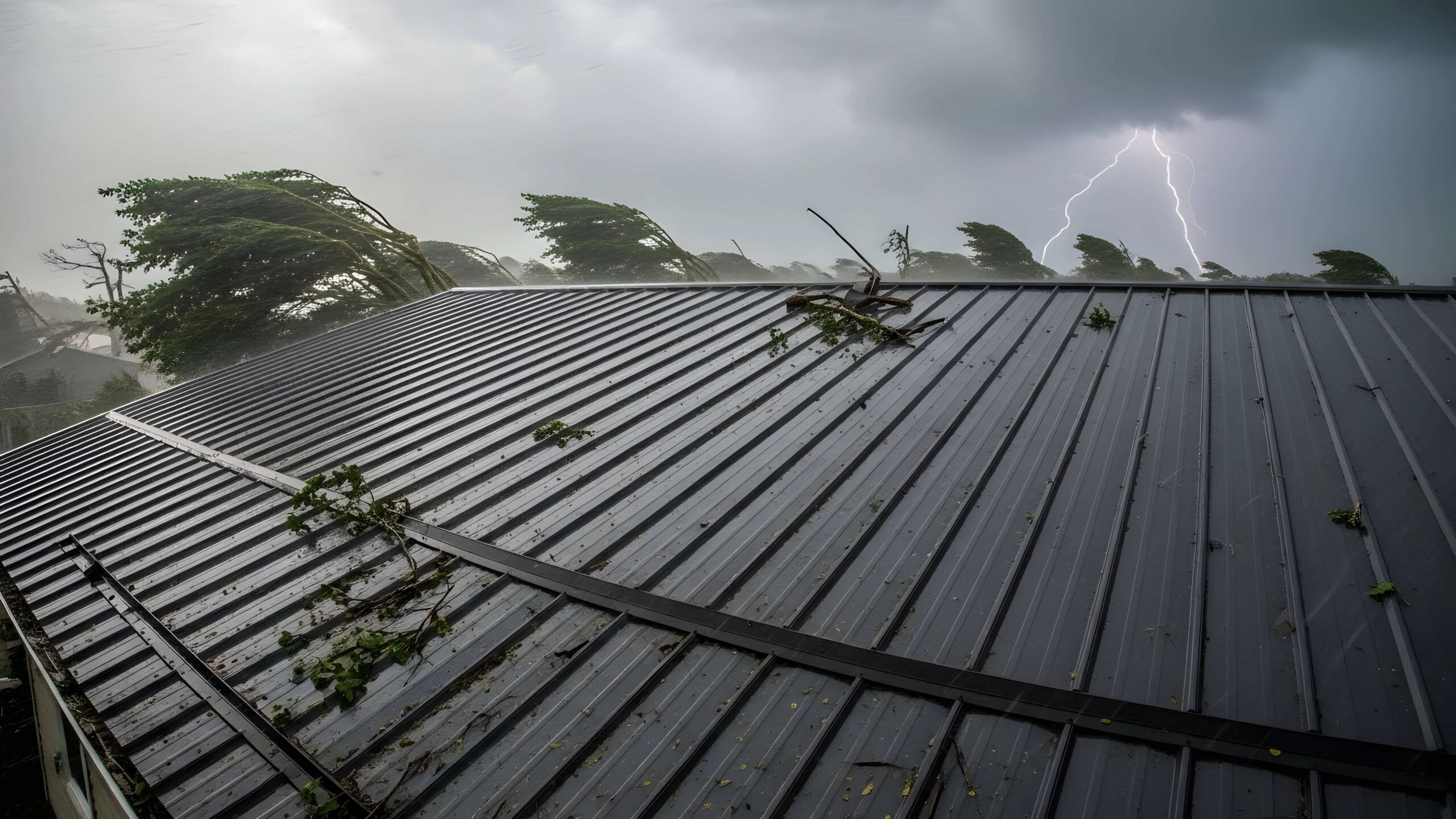
When a massive storm front hits Greater Sydney, bringing destructive winds and heavy rain, a minor roof vulnerability can instantly escalate into a major structural crisis. If water is actively pouring through your ceiling, short-circuiting electrical lines, and threatening valuable electronics or stock, you need to act fast.
An emergency metal roof repair focuses on immediate damage control and rapid weatherproofing. During severe weather events, it is incredibly dangerous and often impossible to execute permanent welding or sheet replacements on a slick, wind-swept surface. Instead, emergency technicians focus on setting up robust temporary defences.
This typically involves deploying heavy-duty, weighted storm tarpaulins across the breached sections, securing them with specialised temporary tie-downs to stop the immediate water inflow. Crews can also apply high-adhesion emergency flashing tapes that bond to wet metal surfaces, keeping your property safe and dry until the storm passes and permanent structural repairs can be carried out safely.
Proactive Prevention Tips for Sydney Property Owners
The most cost-effective way to manage your asset’s health is to stop leaks from developing in the first place. Implementing a basic preventative care framework will extend the lifespan of your roof envelope by decades.
- Book an Annual Roof Audit: Arrange a professional maintenance review at least once a year, ideally before the arrival of the summer storm season. Catching a backed-out screw or a splitting silicone seal early costs a fraction of fixing a major internal water disaster later.
- Enforce Strict Gutter Cleaning Schedules: Ensure your eaves gutters, internal box valleys, and downpipe rainheads are completely clear of leaves, sand, and organic silt. If your property sits in a heavily wooded area, consider installing high-quality, fire-rated gutter guard systems.
- Prune Overhanging Tree Branches: Keep tree canopies trimmed back at least two to three metres away from your roof line. This reduces leaf litter, prevents branches from scratching protective metal coatings during high winds, and stops wildlife from damaging your solar wiring or flashings.
- Keep Dissimilar Metals Separated: If you are adding solar arrays, air conditioning units, or TV antennas, ensure your installers use non-conductive rubber isolation washers and stainless steel brackets. Never let copper air-conditioning overflow lines drain directly onto a standard metal roof sheet.
Frequently Asked Questions
1. How can I tell if a leak is coming from my metal roof or a broken pipe?
If the water stain on your ceiling grows significantly larger during or immediately following a heavy downpour, it is almost certainly a structural roofing leak. If the dripping is completely continuous, remains consistent regardless of the weather outside, or if you notice your water meter spinning when all taps are off, it is likely a ruptured internal plumbing line.
2. Can you repair a localised section of a rusted Colorbond roof?
Yes, absolutely. If the surface rust is isolated to a specific valley flashing or a few lower sheet ends where leaves have pooled moisture, we can easily execute a targeted repair or cut out and replace those specific sheets. However, if the rust is systemic and bubbling up from the underside across the entire roof surface, a full replacement is usually the best way to protect your home long-term.
3. Why does my metal roof leak only during heavy rain and strong winds?
Wind-driven rain travels horizontally and can push water upward against the natural slope of your roof. If your ridge capping pointing is cracked, or if the lower ends of your metal sheets were not properly “turned up” at the top ridge line during installation, strong winds can force water backward and over the internal lip, creating a leak that only shows up during severe storms.
4. Is it safe to use standard silicone from a hardware store to patch a metal roof?
No, it isn’t recommended. Standard acid-cure silicones release acetic acid as they cure, which chemically attacks the protective zinc coating on steel roofing, causing it to rust rapidly. For all metal roof repairs, our technicians exclusively use high-performance, non-corrosive neutral-cure structural silicones that are engineered to withstand extreme UV exposure and thermal movement.
5. How long does a typical professional repair take to complete?
For standard residential homes dealing with isolated issues such as replacing old screws, resealing a leaking skylight flashing, or cleaning out a blocked valley the work is usually completed within two to four hours on-site. More complex projects involving sheet replacements or major box gutter modifications can take one to two days of careful trade execution.
Restore Your Property’s Protection with Sydney’s Trusted Specialists
Your roof is the single most critical structural line of defence protecting your family, your belongings, and your underlying property equity. When dealing with water ingress, delaying action or relying on short-term handyman fixes will only allow minor faults to turn into major, high-cost structural damage. Partnering with a dedicated, highly reviewed trade specialist ensures your building envelope is restored safely, legally, and to an uncompromised trade standard.
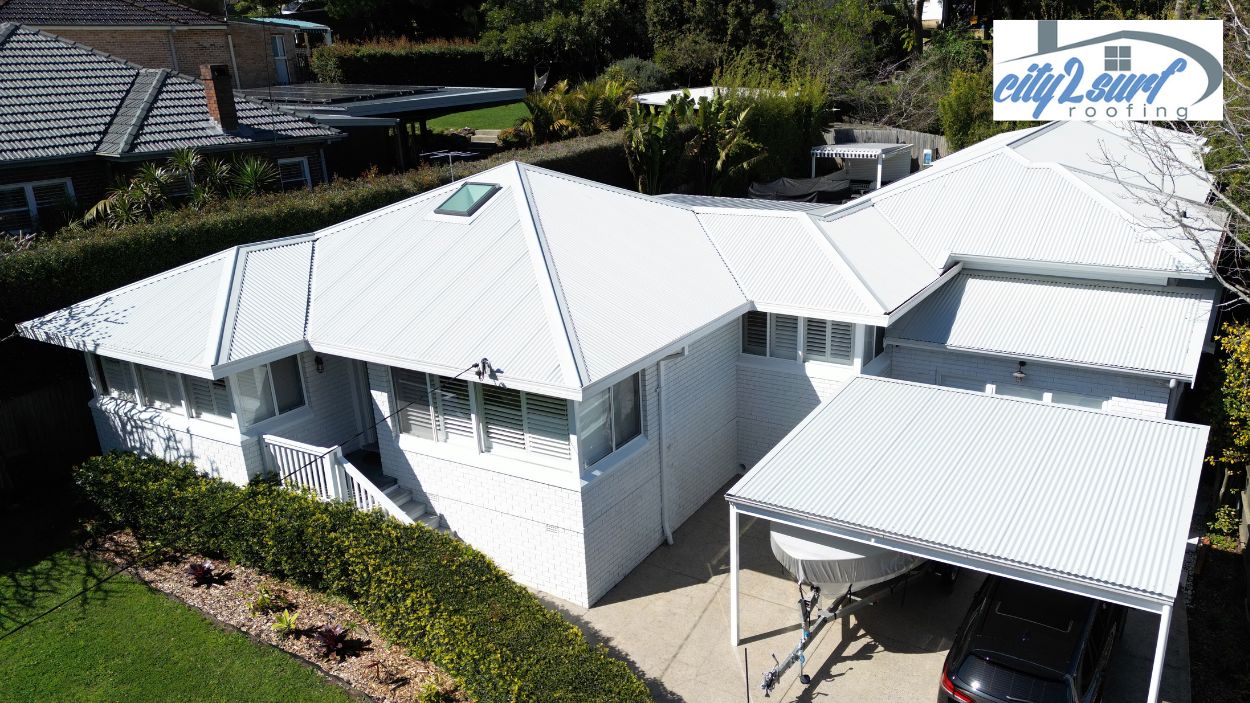
At City2Surf Roofing, we combine advanced metal roof leak detection methodologies, premium Australian materials, and decades of local trade experience to deliver permanent, weather-tight outcomes. Our professional team helps you protect your asset with complete confidence, keeping you safe through every season.
Request Your Professional Site Audit and Repair Quote Today
Don’t wait for the next severe storm front to flood your property. Our technical estimators are ready to provide detailed on-site roof condition audits, clear digital photo reporting, and comprehensive, obligation-free quotes tailored perfectly to your repair needs.
Call our professional team today on 0406 175 532 or visit our online booking portal to secure your priority on-site structural consultation. Partner with Sydney’s leading metal roofing specialists and enjoy true peace of mind through every downpour.