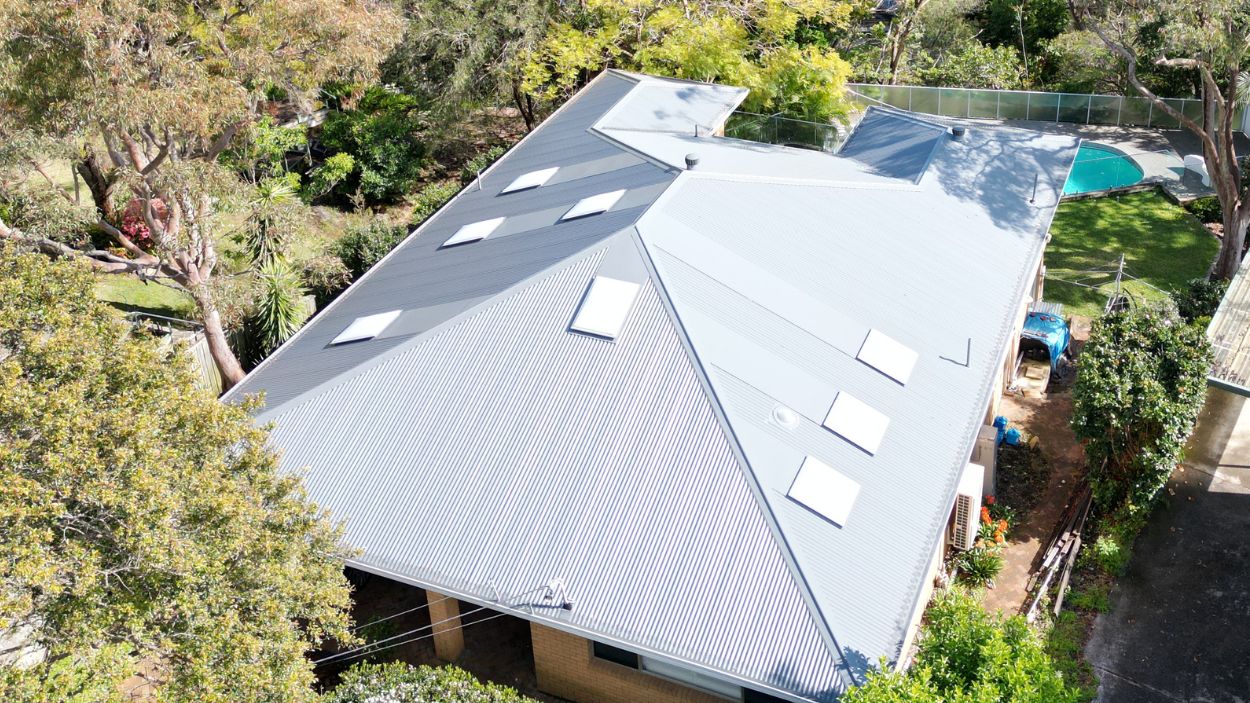

Sydney’s weather can be incredibly harsh on residential properties. From the punishing ultraviolet (UV) radiation of summer heatwaves to the destructive hailstorms of east coast lows and relentless salt-air humidity along the Northern Beaches, our homes take a battering. Among all roofing materials, high-tensile steel cladding remains one of the most resilient defences available. However, even the toughest structures eventually require maintenance.
If you have noticed water stains spreading across your ceiling after a fierce storm, you are likely wondering how to repair a metal roof before structural damage takes hold. While complex structural faults demand licensed trade intervention, understanding the inspection, safety, and repair frameworks can help you protect your home. This comprehensive guide walks you through diagnosing, preparing, and executing precise repairs to keep your property completely watertight.
Common Causes of Metal Roof Leaks in Sydney Properties
Before diving into the practical steps for repairing a metal roof, it helps to understand why these durable systems develop vulnerabilities in the first place. Metal panels expand and contract significantly throughout the day as temperatures shift. In Sydney, where a cool southerly buster can drop temperatures by 15 degrees in less than an hour, this thermal movement places immense stress on your roof’s components.
The most frequent culprits behind internal water ingress include:
- Degraded Fasteners: Standard roofing screws rely on neoprene or EPDM rubber washers to form a waterproof seal. Over years of intense solar exposure, these washers become brittle, crack, and back out, allowing water to pool around the screw hole.
- Galvanic Corrosion: This occurs when incompatible metals come into contact in the presence of moisture (such as using copper flashings directly alongside galvanised steel sheets). The chemical reaction rapidly eats through the metal, creating structural holes.
- Flashing Failures: The custom-folded metal seals around roof penetrations such as solar panel brackets, skylights, chimneys, and vent pipes are subject to high structural stress. If the original sealant cracks or splits, water will bypass the cladding entirely.
Essential Safety Precautions and Materials Checklist
Working at heights is inherently hazardous. Before attempting any form of metal roof repair, you must prioritise your physical safety. Never step onto a wet, moisture-glazed sheet, and avoid working on unseasonably hot days, as metal panels can reach temperatures capable of causing severe skin burns. Always utilise a certified safety harness system, wear high-traction rubber-soled work boots, and secure your extension ladder to the structural gutter brackets before climbing.
Important Safety Warning: If your property features older corrugated cladding installed before the mid-1980s, it may contain hidden asbestos. Never drill, scrape, high-pressure wash, or disturb suspected asbestos sheeting. For these properties, always engage a licensed asbestos removal specialist.
To carry out basic metal roof leak repairs, gather the following commercial-grade materials:
- Premium multi-grip roofing screws fitted with UV-stabilised EPDM washers
- Neutral-cure exterior roof and gutter silicone (never use acid-cure silicone, as it corrodes steel)
- Wire brush, fine-grit emery cloth, and high-quality mineral turps for cleaning
- An electric drill fitted with a magnetic hex-head driver bit
- Bespoke Colorbond-compatible metal patch pieces (if sealing physical holes)
- Heavy-duty tin snips and a high-quality caulking gun
How to Repair a Metal Roof: The Step-by-Step Execution Guide
If you have located a breach and have chosen to resolve minor issues independently, follow this systematic framework to ensure your intervention stands strong against Sydney’s erratic weather elements.
Step 1: Pinpoint the Source of the Leak
Water entry points rarely align perfectly with the damp patches on your internal plasterboard ceilings. Water frequently enters through a breach high up the roof plane, travels down the sloping rafters, and drips onto your ceiling metres away from the source.
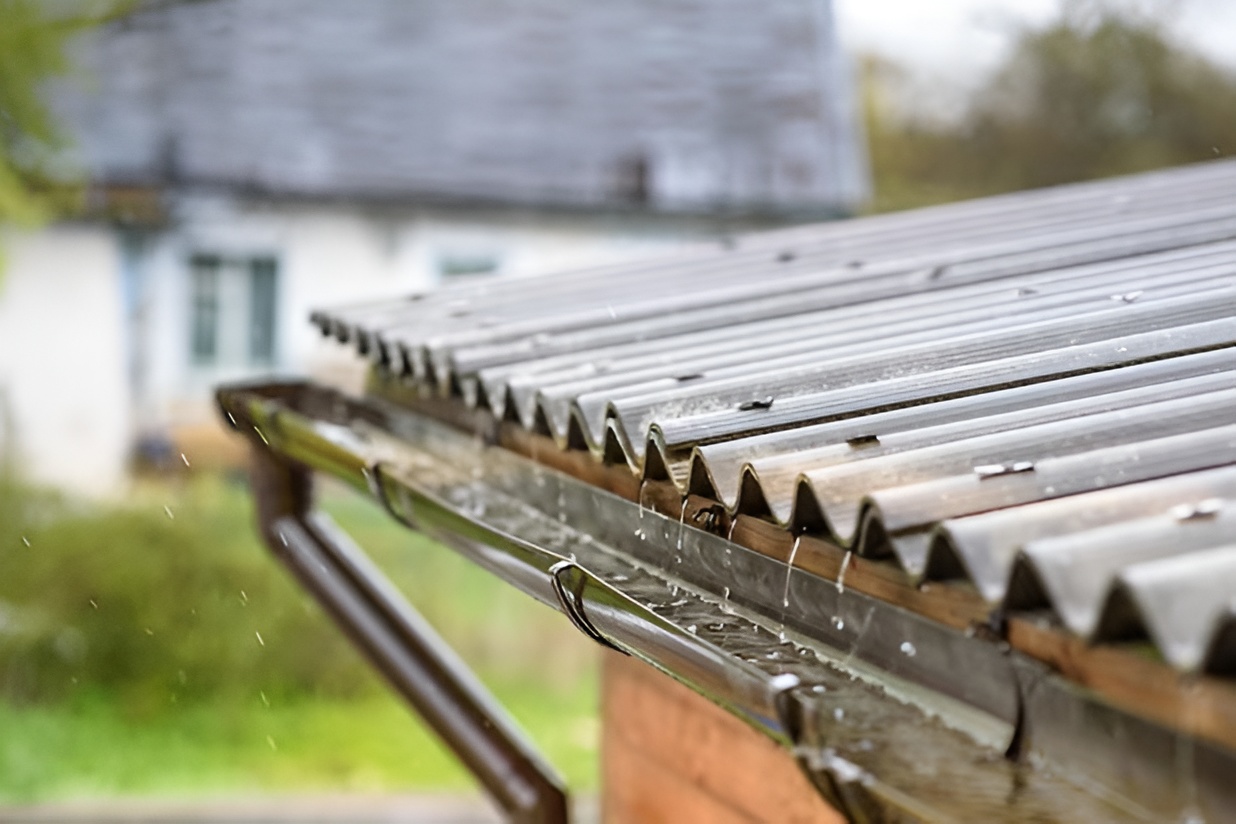
To trace a leak, safely access your roof space during a downpour or have an assistant spray a garden hose over localised sections while you inspect the internal roof cavity with a high-powered torch. Look closely for damp timber battens, rust tracks along the underside of the sheets, or stained insulation blankets.
Step 2: Clean and Prepare the Damaged Zone
If you discover a rust hole or a split seam, you must clean the surrounding area thoroughly. Silicones and patch materials will not adhere to dusty, chalking, or greasy surfaces.
Scrape away old, failing sealants using a plastic putty knife. Use a wire brush to clear away loose surface scale and rust, and wipe the entire zone down with a clean rag soaked in mineral turps. Allow the metal to dry completely before proceeding to the next step.
Step 3: Replace Degraded Fasteners
If your investigation shows the water ingress is coming from backed-out screws or perished rubber washers, the fix is simple: replace the hardware. Use your drill to back out the old, failing fastener.
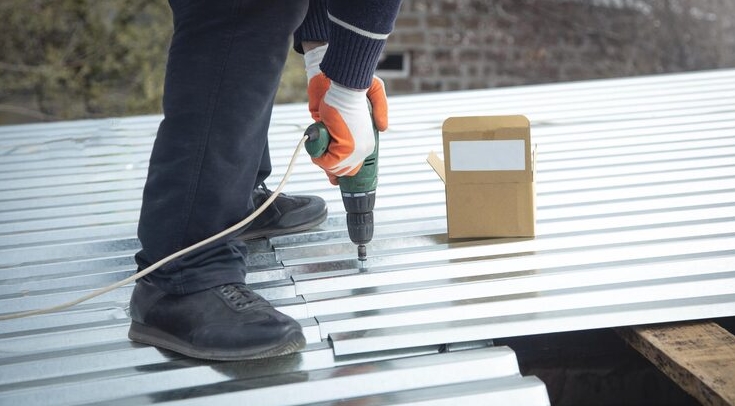
If the underlying timber batten has stripped out and the original screw hole has enlarged, do not re-insert a standard screw. Instead, utilise an oversized multi-grip framing fastener or a specialised ‘timber-to-metal’ repair screw. Drive the new fastener in vertically until the EPDM washer compresses slightly against the metal sheet. Avoid over-tightening, as crushing the washer will cause it to split and fail prematurely.
Step 4: Fabricate and Install a Custom Metal Patch
For holes caused by impact damage or localised rust, installing a secure metal patch is the most effective way to fix metal roof leak zones permanently. Cut a piece of matching Colorbond steel sheet using your tin snips, ensuring the patch extends at least 50mm past the margins of the hole on all sides. Round off any sharp corners to prevent wind lift or pooling leaves.
Apply a generous, continuous bead of neutral-cure roof silicone around the underside perimeter of the patch piece. Press the patch firmly over the hole until the adhesive squeezes out slightly from the edges. Secure the patch mechanically by driving roofing rivets or self-drilling screws through the patch and into the underlying high points of the roof profile. Finally, smooth down the squeezed-out silicone edge using a gloved finger to create a clean, water-shedding bevel.
Step 5: Seal Corrupted Flashing Seams
If the leak is originating from a split seal where your flashing meets a brick chimney or a vent pipe, use your caulking gun to apply a thick bead of premium roof sealant along the joint. For wide splits, you may need to install a bridging layer of aluminium-faced bitumen flashing tape. Press the tape down firmly into the metal contours using a seam roller to ensure there are no air pockets where water could pool during future downpours.
When to Call Professional Metal Roofing Contractors
While minor screw replacements and small surface patches can often be managed by an experienced DIYer, certain scenarios demand specialised trade expertise. Attempting to manage complex failures independently can void your manufacturer’s material warranties and risk structural failure.
You should immediately contact licensed metal roofing contractors if you encounter:
- Widespread Structural Corrosion: If the underside of your metal panels shows systemic rust blistering, the steel has lost its load-bearing strength. In this scenario, localised repairs are ineffective, and a comprehensive roof replacement is necessary.
- Extensive Standing Seam or Box Gutter Leaks: Internal box gutters and architectural concealed-fix profiles require specialised folding tools and advanced trade techniques to handle intense stormwater volumes. Minor errors here can result in catastrophic internal flooding.
- Significant Storm and Hail Impact: When a severe weather event dislodges large sections of cladding or warps the underlying frame, the entire roof envelope must be re-engineered and certified to comply with modern wind-uplift codes.