
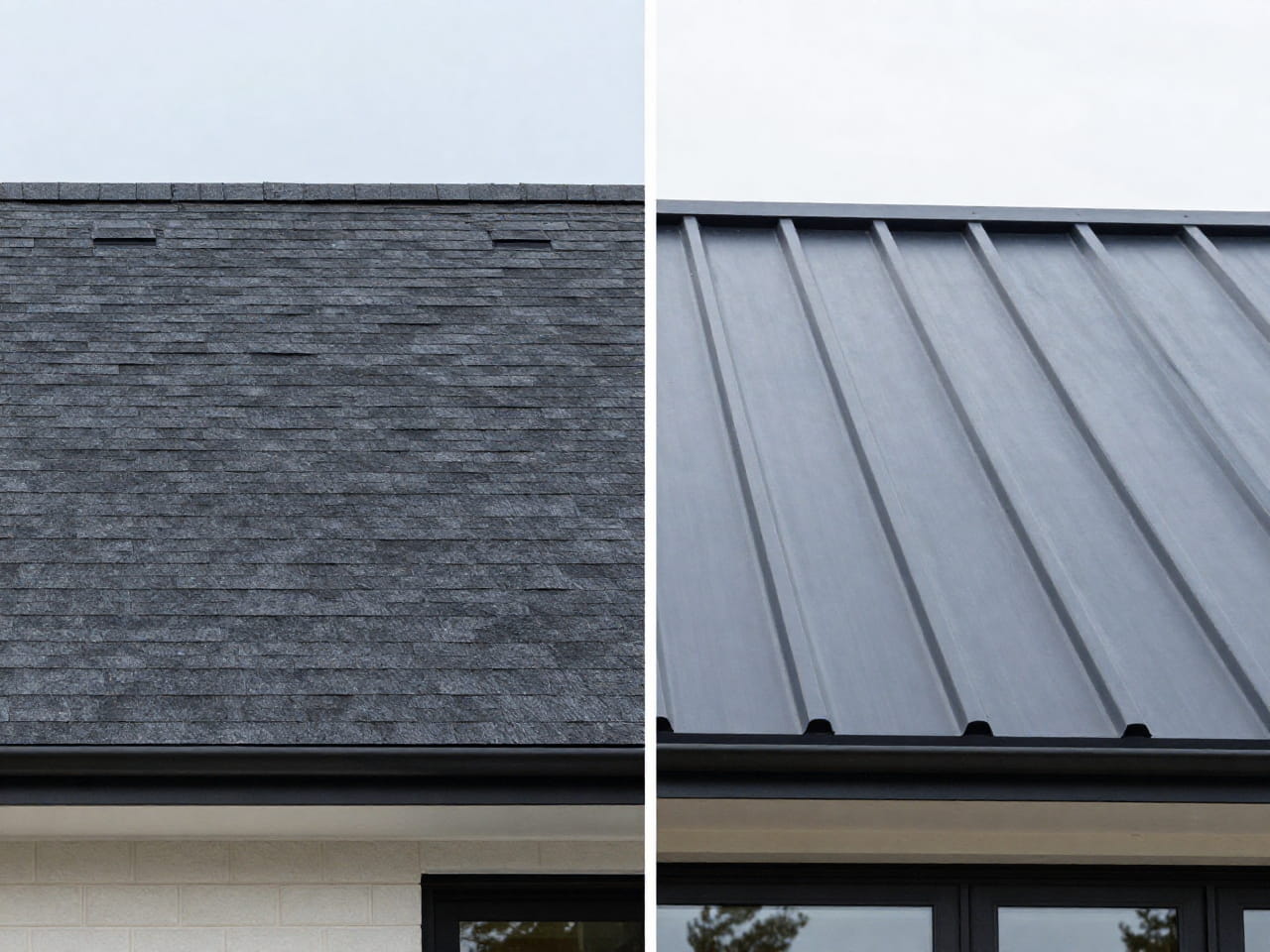
When it comes time to replace an ageing roof or select the ideal material for a major home extension, Sydney homeowners face a critical architectural decision. Your roof is the primary shield protecting your property from the harsh dynamics of the Australian climate. In a city prone to intense summer UV radiation, sudden mid-afternoon southerly busters, and severe hailstorms, choosing between metal roofing and asphalt shingles can mean the difference between decades of reliable protection and premature structural failure.
Two prominent contenders dominate the residential market: modern steel sheeting (such as Colorbond) and various styles of roofing shingles. While metal has enjoyed long-standing popularity across New South Wales suburbs, the aesthetic appeal and unique architectural profile of asphalt shingles are increasingly catching the eye of discerning renovators. But when you strip away the initial visual appeal and upfront cost comparisons, the ultimate question remains: which material genuinely lasts longer under the unique stress of the Sydney climate?
Understanding Asphalt Shingles: Composition and Variations
To fairly evaluate the lifespan of this classic choice, it helps to understand what modern asphalt shingles actually consist of. Far from being simple pieces of felt dipped in tar, contemporary variations are highly engineered building products designed to offer robust layered protection.
The structural foundation of a high-performance roof is built on modern fibreglass asphalt shingles. These utilise a tough, non-woven fibreglass mat coated with a specially formulated asphalt layer that provides the primary water-resistant barrier. This asphalt matrix is then embedded with ceramic-fired mineral granules that protect the underlying structure from harmful UV breakdown while providing the roof shingles with their distinct colour, depth, and character.
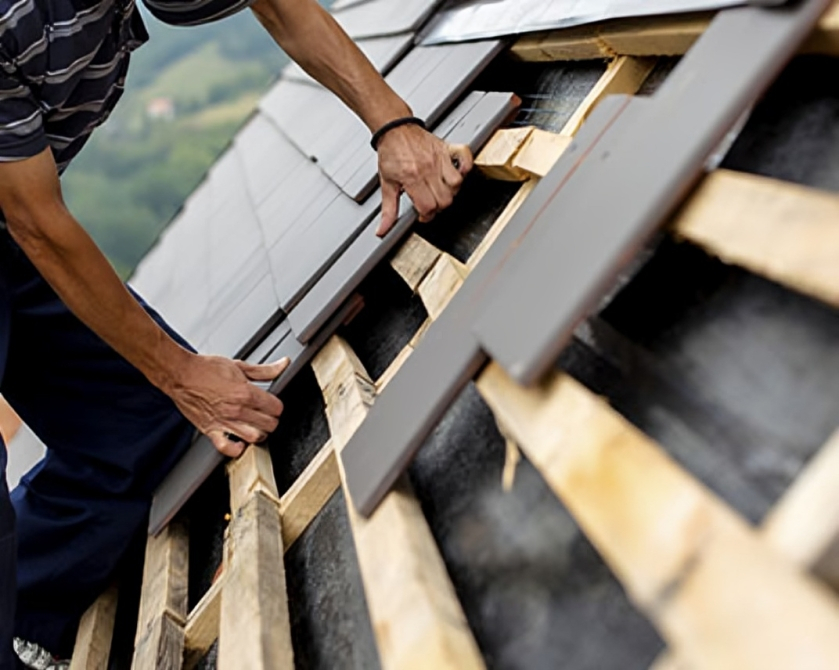
For homeowners seeking maximum durability, laminated asphalt shingles (often referred to as architectural or dimensional shingles) represent a significant step up. These consist of multiple layers of material bonded together with high-strength thermal adhesives. This multi-layered design increases wind resistance and doubles the physical wear layer, offering superior long-term performance compared to basic 3-tab alternatives. When installed correctly over a modern underlayment, these composite roof shingles provide excellent waterproof performance and high impact resistance against storm debris.
The Heavyweight Contender: Metal Roofing in the Australian Climate
On the other side of the ledger sits metal roofing, predominantly high-tensile steel coated with advanced aluminium, zinc, and magnesium alloys, finished with oven-baked exterior paint systems. Metal roofing has long been an industry benchmark across Australia due to its lightweight nature, structural rigidity, and exceptional resistance to catching fire.
Metal panels are inherently durable because they do not suffer from the granular loss or gradual embrittlement that can affect oil-based composite roof shingles over decades of intense sun exposure. However, metal is not completely invincible. In coastal Sydney suburbs such as those along the Northern Beaches, Eastern Suburbs, or Cronulla, airborne sea salts pose a constant threat. Without upgrading to specialist marine-grade coatings, standard metal roofs can suffer from edge creep and accelerated underside corrosion over time.
Lifespan Comparison: The Real-World Numbers
When assessing pure longevity under standard conditions, the statistical differences between the two materials become clear:
- Asphalt Shingles: A professionally installed roof featuring premium laminated asphalt shingles will reliably last between 20 and 30 years in Sydney. Lower-grade options or poorly ventilated installations may require replacement closer to the 15-year mark due to accelerated thermal cycling.
- Metal Roofing: A high-quality steel or aluminium roof frequently achieves a lifespan of 40 to 60+ years, provided it receives basic maintenance, fastener inspections, and gutter clearing over its operational lifetime.
While metal wins on raw lifespan, asphalt shingles remain highly competitive because they allow for straightforward section repairs. If an isolated storm damages one section of your roof, individual roofing shingles can be swapped out seamlessly without needing to lift whole multi-metre runs of custom-cut metal sheeting.
Weather Resilience: Heatwaves, Storms, and Hail
Sydney’s micro-climates place immense mechanical stress on residential roofs. Let’s look at how both materials perform during localised weather extremes:
The Impact of Scorching Summer Heat
During peak summer, roof surface temperatures in Western Sydney suburbs like Penrith or Parramatta can easily climb past 70 degrees Celsius. Metal roofs absorb heat rapidly but also cool down just as quickly when the sun sets. This fast temperature drop triggers significant thermal expansion and contraction, which puts pressure on the screws, rubber washers, and structural joints over time.
Conversely, fibreglass asphalt shingles possess excellent thermal insulation properties. They absorb heat more gradually, reducing the immediate thermal load transferred into your ceiling space. However, prolonged exposure to extreme heat can dry out the essential oils within lower-quality asphalt shingles, leading to curling or surface cracking if the roof space underneath lacks proper ventilation.
Hail and Storm Resistance
Severe hailstorms are a recurring threat across the Sydney basin. Large hail can leave permanent, unsightly dents in metal roofs, which compromise the protective paint coating and create potential water pooling zones.
Premium composite roof shingles handle impact exceptionally well. The thick, flexible asphalt matrix behaves like a shock absorber, deflecting impact energy. While exceptionally large hail can strip the protective surface granules off the shingles, high-grade architectural variations hold up remarkably well against standard storm debris.
The Role of Maintenance in Extending Roof Lifespan
No matter which material you choose, a roof will only reach its maximum potential lifespan if it receives regular care.
For metal roofs, maintenance involves checking for structural corrosion, replacing rusted hex-head screws, cleaning out debris from internal valleys, and ensuring your gutters flow freely to avoid pooling water.
For an asphalt roof, maintenance means checking the integrity of the perimeter flashings, removing heavy moss or algae growth in damp areas, and ensuring wind-driven debris hasn’t dislodged individual roof shingles. Proactive inspections allow you to discover minor issues early, ensuring your asphalt shingles deliver reliable waterproof protection for decades.
Asphalt Shingles vs Metal Roofing: Which Should You Choose?
Ultimately, deciding between metal roofing and asphalt shingles comes down to balancing your budget, your long-term property plans, and your desired architectural style. If your primary goal is to install a roof that will comfortably outlast a 30-year mortgage with minimal intervention, metal is an exceptional, time-tested investment.
However, if you prefer the classic, high-texture aesthetic of American or European architectural designs, premium asphalt shingles offer a reliable alternative. When backed by modern manufacturing techniques and expert installation, they provide a durable, weather-resistant shelter perfectly suited to today’s Sydney homes.
Secure Your Premium Roof Replacement with City 2 Surf Roofing
Are you ready to upgrade your home’s protection or want to discuss whether metal or shingles best suit your architectural layout? The experienced team at City 2 Surf Roofing provides premium material options, detailed structural assessments, and expert workmanship across the greater Sydney area. Whether you need a full replacement or targeted maintenance, we ensure your investment stands the test of time.
Contact City 2 Surf Roofing today to book your comprehensive, no-obligation roof consultation.